40 · City guide
Kırşehir
City of the Ahi tradition and the sultans of the heart
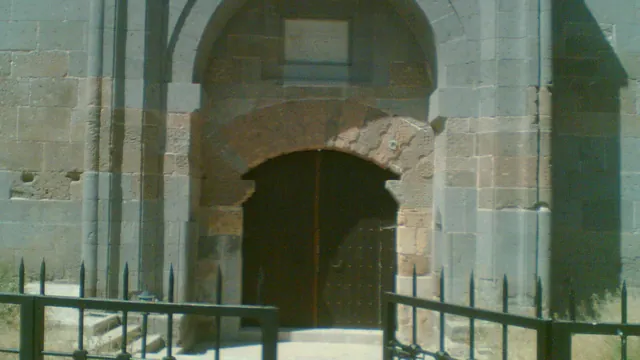
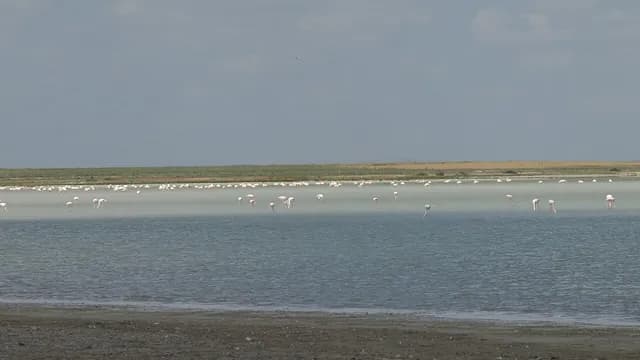
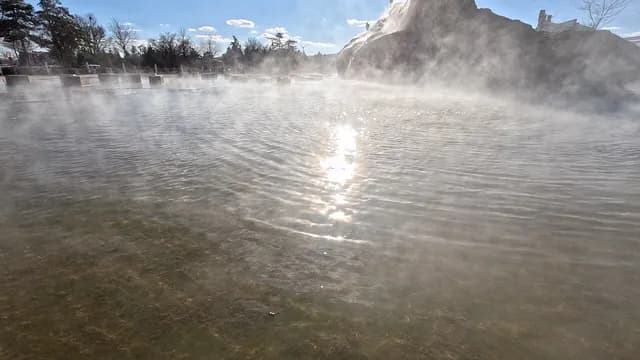
Kırşehir is known as the birthplace of the Ahi organization, which organized tradesmen and craftsmen in the 13th century; the Tomb of Ahi Evran is the city's spiritual center. Built in 1272, the Cacabey Madrasa is a distinctive Seljuk building where astronomy was taught and which is thought to have been used as an observatory through the opening in its dome. The tomb of Âşık Paşa, author of the Garibnâme, and the city's bağlama tradition make Kırşehir the home of the 'sultans of the heart'. Finds from the Japanese excavations at Kalehöyük in Kaman, ongoing since 1986, are displayed at the Kalehöyük Archaeology Museum; right next to it is a Japanese garden in the middle of the steppe. The 13th-century Kesikköprü (bridge) and caravanserai on the Kızılırmak, the Byzantine-era Üçayak Church, Mucur's underground city and the Ramsar site of Seyfe Lake are the province's other stops. The Terme hot springs adjoining the city center welcome visitors year-round.
Machine translated — This content was machine-translated and may differ from the original Turkish text.16
Places
2
Routes
0
Badges
Where shall we explore?




Practical information
Machine translated — This content was machine-translated and may differ from the original Turkish text.- Note
- Ahi Week events are held every September; check muze.gov.tr for museum hours.
- Climate
- Continental climate; hot, dry summers and cold winters.
- Best time
- Spring and autumn; migration seasons for birdwatching at Seyfe Lake, October–November for the Japanese Garden.
- Getting there
- About 185 km to Ankara; the nearest airports are Kapadokya (Nevşehir) and Ankara Esenboğa. Minibuses run to the districts.
- Getting around
- The Cacabey Madrasa, the Tomb of Ahi Evran, the Alaaddin Mosque and the Kırşehir Museum are within walking distance in the city center.