69 · City guide
Bayburt
Homeland of Dede Korkut, castle on the Çoruh
Bayburt is a highland city in the upper Çoruh River valley, at an elevation of about 1550 meters. The city lies on the historic Silk Road route between Erzurum and Trabzon, and its name appears in Marco Polo's account. Bayburt Castle, on the rocky hill overlooking the Çoruh, has been in use since Byzantine times and was extensively restored under the Seljuks in the 13th century; at its foot, the Ulu Mosque (Grand Mosque), hammams and stone houses form the city's historic fabric. The Dede Korkut Monumental Tomb in Masat village is the gathering point for the Dede Korkut International Culture and Arts Festival, held every July. The Baksı Museum in Bayraktar village brings contemporary art together with traditional crafts, while the underground city in Aydıntepe is among the province's most intriguing archaeological stops.
Machine translated — This content was machine-translated and may differ from the original Turkish text.13
Places
0
Routes
0
Badges
Where shall we explore?
- Machine translated — This content was machine-translated and may differ from the original Turkish text.
Archaeological site
Aydıntepe Underground City
Aydıntepe, Bayburt
An underground settlement beneath the Aydıntepe district center, consisting of about 1 km of galleries, rooms and ventilation shafts carved into volcanic tuff.
 Machine translated — This content was machine-translated and may differ from the original Turkish text.
Museum
Baksı Museum
Merkez, Bayburt
A museum in the village of Bayraktar, on a hill overlooking the Çoruh Valley, bringing together contemporary art and traditional handicrafts; winner of the 2014 Council of Europe Museum Prize.
 Machine translated — This content was machine-translated and may differ from the original Turkish text.
Castle
Bayburt Castle
Merkez, Bayburt
A large medieval castle on a hill dominating the city, overlooking the Çoruh Valley, repaired many times from the Byzantine to the Saltukid and Ottoman periods.
 Machine translated — This content was machine-translated and may differ from the original Turkish text.
Clock tower
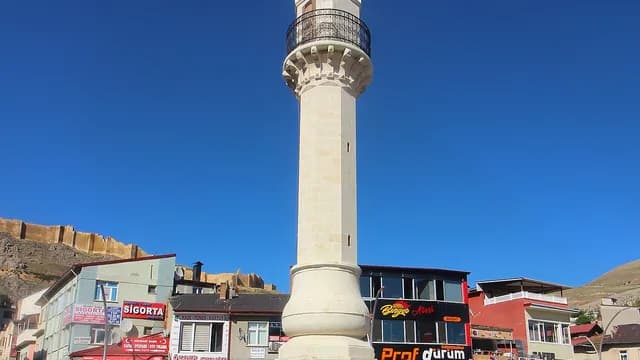
Bayburt Clock Tower
Merkez, Bayburt
An octagonal stone clock tower at the foot of the castle, built in the early years of the Republic by İbrahim Usta from Rize.
 Machine translated — This content was machine-translated and may differ from the original Turkish text.
Mosque
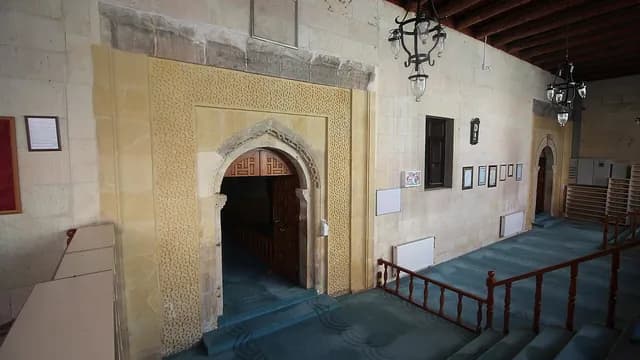
Bayburt Ulu Mosque (Grand Mosque)
Merkez, Bayburt
The city's grand mosque, linked to the period of the Anatolian Seljuk Sultan Gıyaseddin Mesud II, rebuilt in the 1970s in keeping with its original plan.
- Machine translated — This content was machine-translated and may differ from the original Turkish text.
Mound (höyük)
Büyüktepe Höyük
Demirözü, Bayburt
A mound near the village of Çiftetaş, consisting of two hills joined by a neck, with layers from the 4th millennium BC to the Middle Ages.
- Machine translated — This content was machine-translated and may differ from the original Turkish text.
Tomb (türbe)
Tomb of Dede Korkut
Merkez, Bayburt
A kümbet at the entrance to the village of Masat (Yıldırım), accepted as belonging to Dede Korkut, the wise bard of the Oghuz Turks; commemorated with a festival every July.
 Machine translated — This content was machine-translated and may differ from the original Turkish text.
Reservoir and pond
Demirözü Dam Lake
Demirözü, Bayburt
The lake of a dam built on the Lori Çayı in 1996–2003 for irrigation, popular for sunsets and walks.
 Machine translated — This content was machine-translated and may differ from the original Turkish text.
Madrasa and külliye (complex)
Ferahşad Bey Mosque and Madrasa
Demirözü, Bayburt
A single-domed mosque commissioned in 1517 by the Akkoyunlu Hacı Ferahşad Bey in the village of Gökçedere (Pulur), and the madrasa beside it.
 Machine translated — This content was machine-translated and may differ from the original Turkish text.
Museum
Kenan Yavuz Ethnography Museum
Demirözü, Bayburt
An award-winning private ethnography museum in the village of Beşpınar (Loru), keeping rural life alive with village houses, mills, a mansion and open-air exhibition areas.
- Machine translated — This content was machine-translated and may differ from the original Turkish text.
Mosque
Konursu Ulu Mosque (Grand Mosque)
Merkez, Bayburt
The 'nail-free mosque' in the village of Konursu, known for its woodwork made in 1812 with the joinery technique without nails or glue.
- Machine translated — This content was machine-translated and may differ from the original Turkish text.
Waterfall
Sırakayalar Waterfall
Merkez, Bayburt
A natural beauty in the middle of the steppe consisting of two waterfalls in the village of Sırakayalar, one at the village entrance and one within the village, freezing in winter.
- Machine translated — This content was machine-translated and may differ from the original Turkish text.
Bazaar and arasta
Taşhan Bedesten
Merkez, Bayburt
A square-plan historic bedesten near the Ulu Mosque, built of cut stone and brick and covered with four domes.
Practical information
Machine translated — This content was machine-translated and may differ from the original Turkish text.- Note
- Snow and ice can occur on the Kop and Vauk passes in winter; check road conditions in advance
- Climate
- High-altitude continental climate; winters are long, cold and snowy, and summer nights are cool
- Best time
- June–September; the Dede Korkut Festival is held in July
- Getting there
- The nearest airports are Erzurum and Trabzon; the city lies at the junction of the Trabzon–Erzurum and Erzincan–Gümüşhane roads
- Getting around
- The castle, the Ulu Mosque and the historic houses are within walking distance in the center; a private vehicle is needed for the Baksı Museum, Masat and Aydıntepe