19 · City guide
Çorum
Capital of the Hittites, home of leblebi
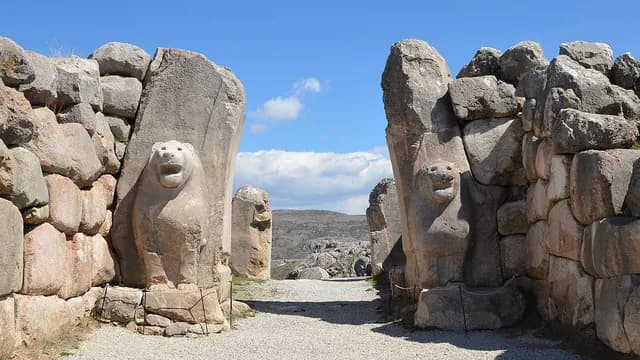
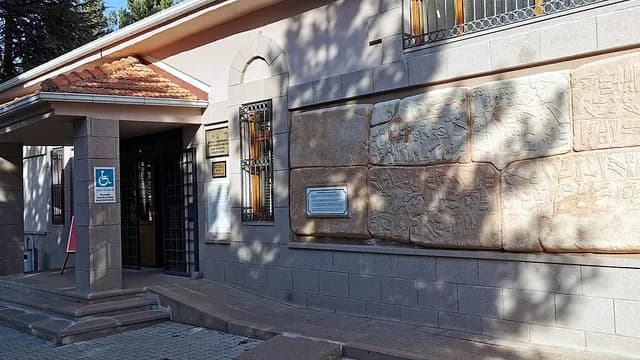
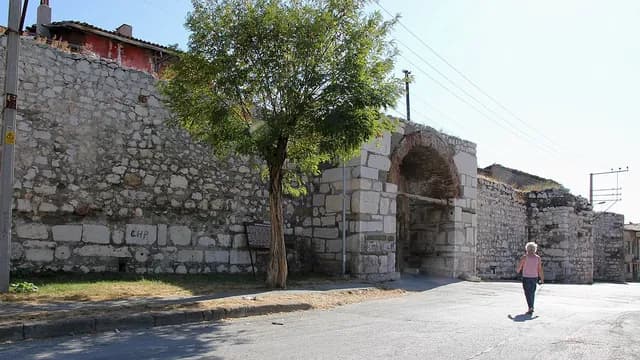
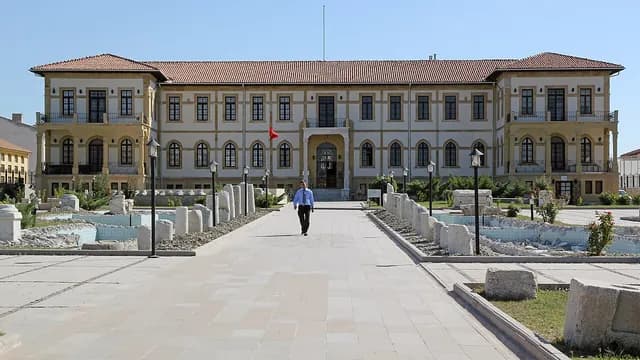
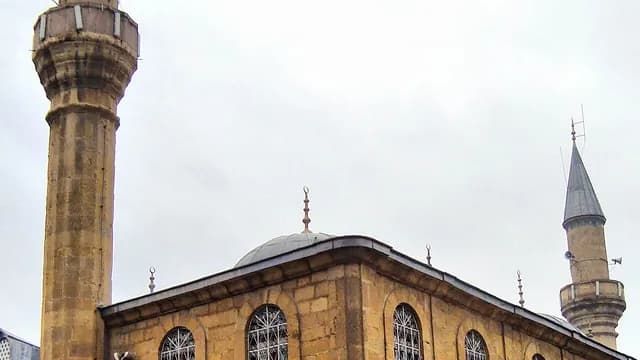
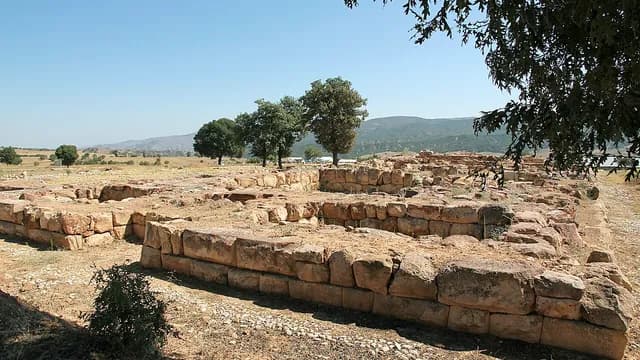
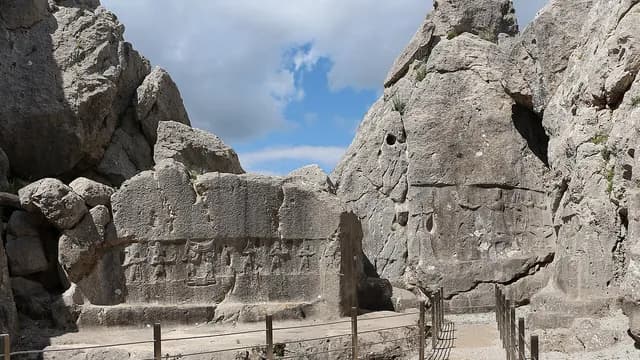
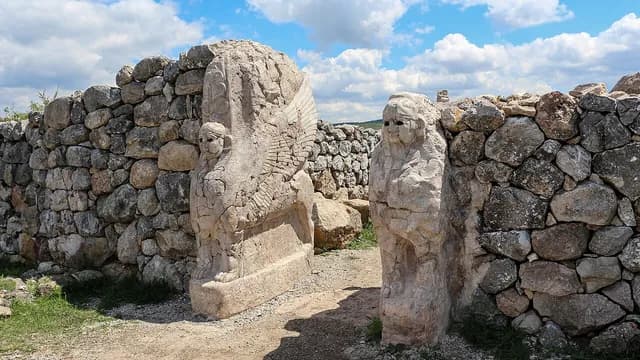
Çorum lies in the heartland of the Hittite Empire, which dominated Anatolia in the 2nd millennium BC. The walls, monumental gates and temples of the capital Hattuşa at Boğazkale are a UNESCO World Heritage Site; nearby, Yazılıkaya has reliefs of deities, Alacahöyük has Early Bronze Age royal tombs and the Sphinx Gate, and thousands of tablets have been unearthed at Şapinuva in Ortaköy. In the city center you can see the clock tower dated 1894, the Ulu Mosque (Grand Mosque), the restored Veli Paşa Han and the Çorum Museum in a historic hospital building. To the north, in the Kızılırmak valley, Osmancık has the II. Bayezid Bridge and Kandiber Castle, and İskilip has Roman-era tombs carved into the rock. Çorum leblebi (roasted chickpeas), İskilip dolması and the yayla flavors of Kargı round off the trip.
Machine translated — This content was machine-translated and may differ from the original Turkish text.27
Places
2
Routes
0
Badges
Where shall we explore?







Practical information
Machine translated — This content was machine-translated and may differ from the original Turkish text.- Note
- Hattuşa covers a large area; driving the tour road inside the site and walking at the gates saves time.
- Climate
- Transitional between continental and Black Sea climates; winters are cold, summers hot and dry.
- Best time
- April–June and September–October; in summer the archaeological sites are hot and shadeless.
- Museum pass
- Müzekart (Museum Pass) is valid at Hattuşa, Yazılıkaya, Alacahöyük and the provincial museums; check muze.gov.tr for current hours and fees.
- Getting there
- There is no airport in the province; the nearest is Amasya Merzifon. The Ankara–Samsun highway passes through the city; the most practical way to reach Hattuşa and Alacahöyük is by private vehicle via Çorum and Sungurlu.