51 · City guide
Niğde
City of the Aladağlar and Seljuk stonework
Niğde lies at the southern gateway to Cappadocia, between the volcanic Melendiz and Hasandağı and the Taurus Mountains. On the castle hill in the city center, the Alaeddin Mosque dated 1223, the Ilkhanid-era Sungurbey Mosque, the Hüdavend Hatun Tomb with its figural reliefs and the Karamanoğlu-era Ak Madrasa are outstanding examples of Anatolian stonework. With its well-preserved colorful frescoes, Gümüşler Monastery is one of the largest rock-cut monasteries in Cappadocia. Kemerhisar, in Bor, is built on top of Hittite Tuwanuwa and Roman Tyana; its Roman aqueduct arches still stand today. The Aladağlar range in Çamardı, with Demirkazık peak, Emli Valley and high camping areas, is one of Türkiye's mountaineering centers. In Ulukışla, the Karagöl and Çiniligöl glacial lakes of the Bolkar Mountains and the Çiftehan hot springs await visitors.
Machine translated — This content was machine-translated and may differ from the original Turkish text.20
Places
0
Routes
0
Badges
Where shall we explore?
 Machine translated — This content was machine-translated and may differ from the original Turkish text.
Madrasa and külliye (complex)
Ak Medrese (White Madrasa)
Merkez, Niğde
A two-story madrasa commissioned in 1409–1410 by the Karamanid Sultan Alaeddin Ali II, with a marble portal and twin windows with ogee arches on the upper floor.
- Machine translated — This content was machine-translated and may differ from the original Turkish text.
Church
Andaval Church
Merkez, Niğde
The Byzantine-period basilica of the Andabalis station on the Istanbul–Cilicia road, at Aktaş; it is reported to have been dedicated to Helena, mother of Constantine.
 Machine translated — This content was machine-translated and may differ from the original Turkish text.
Lake
Bolkar Karagöl
Ulukışla, Niğde
A glacial cirque lake at 2,650 meters in the Bolkar Mountains, home to the endemic Taurus frog; a favorite stop for mountaineers and hikers.
 Machine translated — This content was machine-translated and may differ from the original Turkish text.
Mosque
Bor Ulu Mosque (Grand Mosque)
Bor, Niğde
Bor's oldest building, surviving with part of its original architecture; a mosque commissioned in 1410–1411 in the Karamanid period.
 Machine translated — This content was machine-translated and may differ from the original Turkish text.
Hot spring
Çiftehan Hot Springs
Ulukışla, Niğde
Thermal springs at 44–53 °C near the Gülek Pass, thought to have been used since the Hittites and known in the Roman period as 'Aquae Calidae'.
 Machine translated — This content was machine-translated and may differ from the original Turkish text.
Lake
Çiniligöl
Ulukışla, Niğde
One of the largest and clearest glacial lakes of the Bolkar Mountains, at 2,600 meters just above Karagöl.
 Machine translated — This content was machine-translated and may differ from the original Turkish text.
Climbing area
Demirkazık Dağı and the Aladağlar Climbing Area
Çamardı, Niğde
The symbol of the Aladağlar, the 3,757-meter conical summit of Demirkazık; one of Türkiye's most famous climbing areas with its north face and classic routes.
 Machine translated — This content was machine-translated and may differ from the original Turkish text.
Hiking trail
Emli Valley
Çamardı, Niğde
A valley in the Çamardı section of the Aladağlar, among Taurus firs, where easy and medium ecotourism hiking trails begin.
 Machine translated — This content was machine-translated and may differ from the original Turkish text.
Monastery
Gümüşler Monastery
Merkez, Niğde
One of the largest monasteries of Cappadocia, carved into tuff rock in the town of Gümüşler; a 10th–11th-century complex known for its 'Smiling Virgin Mary' fresco.
 Machine translated — This content was machine-translated and may differ from the original Turkish text.
Tomb (türbe)
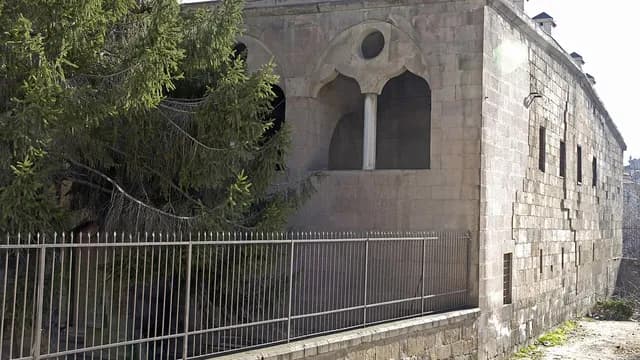
Tomb of Hüdavend Hatun
Merkez, Niğde
One of Anatolia's most beautiful tombs, built in 1312 for Hüdavend Hatun, daughter of the Seljuk Sultan Kılıçarslan IV, with rich reliefs of plants and animal figures.
 Machine translated — This content was machine-translated and may differ from the original Turkish text.
Mound (höyük)
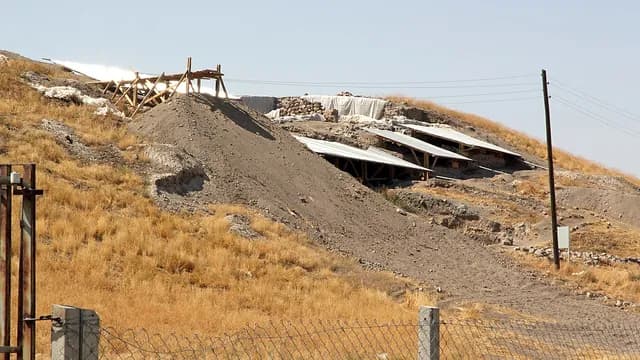
Kınık Höyük
Altunhisar, Niğde
One of the largest mounds of southern Cappadocia in Altunhisar, 20 meters high with a 24-hectare lower city; associated with the ancient kingdom of Tuwana.
 Machine translated — This content was machine-translated and may differ from the original Turkish text.
Mound (höyük)
Köşk Höyük
Bor, Niğde
A mound at Bahçeli, just east of the Roman Pool, known for its Neolithic and Chalcolithic skull burials with clay-modeled faces.
 Machine translated — This content was machine-translated and may differ from the original Turkish text.
Summit
Melendiz Mountains
Çiftlik, Niğde
A broad mountain mass rising between Niğde and Bor, with a highest point of 2,898 meters, in the same volcanic chain as Hasandağı.
 Machine translated — This content was machine-translated and may differ from the original Turkish text.
Lake
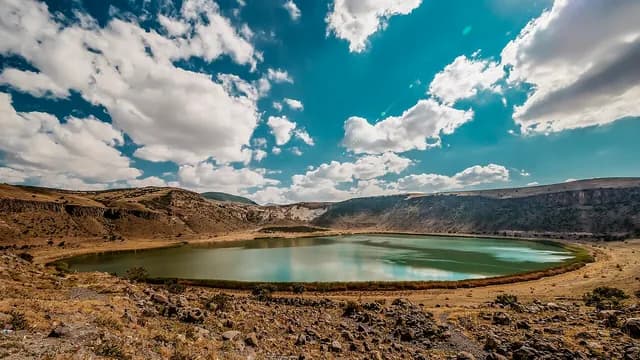
Narlıgöl
Merkez, Niğde
A bitter-water maar lake 21 meters deep near the Aksaray border, formed by a volcanic explosion; hot springs emerge around it.
 Machine translated — This content was machine-translated and may differ from the original Turkish text.
Mosque
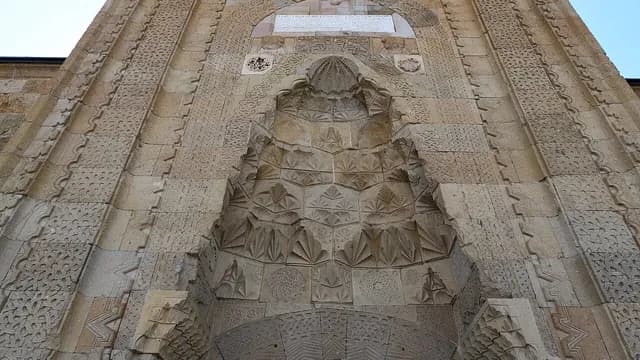
Niğde Alaaddin Mosque
Merkez, Niğde
A Seljuk mosque south of the inner castle, commissioned in 1223 in the name of Sultan Alaeddin Keykubad; one of the symbols of Niğde with its monumental portals and three domes.
 Machine translated — This content was machine-translated and may differ from the original Turkish text.
Castle
Niğde Castle
Merkez, Niğde
The castle surrounding the hill where old Niğde was founded, which gained importance in the Seljuk period and was repaired in 1740; the single standing bastion on the hill is the city's symbol.
 Machine translated — This content was machine-translated and may differ from the original Turkish text.
Clock tower
Niğde Clock Tower
Merkez, Niğde
The symbol of Niğde, built in 1901–1902 on a ruined castle bastion on Alaeddin Hill, with a ten-sided shaft resembling a minaret.
 Machine translated — This content was machine-translated and may differ from the original Turkish text.
Madrasa and külliye (complex)
Öküz Mehmet Paşa Complex
Ulukışla, Niğde
A staging-post complex consisting of a caravanserai, mosque, hamam and arasta, commissioned in 1616 by Grand Vizier Öküz Mehmet Paşa, which gave Ulukışla its name.
 Machine translated — This content was machine-translated and may differ from the original Turkish text.
Mosque
Sungurbey Mosque
Merkez, Niğde
A mosque commissioned around 1335 by Sungur Bey, governor of Niğde in the Ilkhanid period; famous for its Gothic-influenced portal and twelve-animal calendar reliefs.
 Machine translated — This content was machine-translated and may differ from the original Turkish text.
Ancient city
Tyana Ancient City and Roman Aqueducts
Bor, Niğde
The ancient city at Kemerhisar, the Hittites' Tuwanuwa and Rome's Tyana; about 1.5 km of its aqueducts, which carried water from the Roman Pool to the city, are still standing.
Practical information
Machine translated — This content was machine-translated and may differ from the original Turkish text.- Note
- The Niğde Museum was closed after the earthquakes of February 6, 2023; check the current status at muze.gov.tr. Long hikes in the Aladağlar should be done with a guide.
- Climate
- Continental climate; harsh, snowy winters at higher elevations and cool summer nights.
- Best time
- Spring and autumn for city sightseeing; June–September for hiking in the Aladağlar and Bolkar Mountains.
- Getting there
- About 1.5 hours to Kapadokya Airport (Nevşehir) and Kayseri Airport; the Ankara–Adana railway and motorway pass through the province.
- Getting around
- The Castle, the Alaeddin and Sungurbey mosques, the Hüdavend Hatun Tomb and the Ak Madrasa are within walking distance.