32 · City guide
Isparta
City of roses, lakes and apples
Isparta lies in the north of the Mediterranean Region, in the middle of the Lakes District. Between late May and mid-June the oil-rose harvest paints the city and surrounding villages pink; in July the lavender fields of Keçiborlu turn purple. Lake Eğirdir, one of Türkiye's largest freshwater lakes, with the castle on its peninsula, its Seljuk madrasa and Yeşilada, is the most visited corner of the province. Pisidian Antioch (Pisidia Antiokheia) in Yalvaç is an important faith and archaeology stop associated with the journeys of St. Paul. Davraz Ski Center in winter and natural areas such as Lake Kovada and the Yazılı Canyon in summer set the province's rhythm.
Machine translated — This content was machine-translated and may differ from the original Turkish text.51
Places
0
Routes
0
Badges
Where shall we explore?
 Machine translated — This content was machine-translated and may differ from the original Turkish text.
Ancient city
Adada Ancient City
Sütçüler, Isparta
A Roman-period Pisidian city in the foothills of the Taurus, with the Temple of Trajan and well-preserved buildings.
 Machine translated — This content was machine-translated and may differ from the original Turkish text.
Viewpoint
Akpınar Village Viewing Terrace
Eğirdir, Isparta
A panoramic viewpoint overlooking the Eğirdir peninsula, Yeşilada and the lake from above.
- Machine translated — This content was machine-translated and may differ from the original Turkish text.
Church
Aya Payana Church
Merkez, Isparta
A historic 18th-century church left by Isparta's Greek Orthodox community.
 Machine translated — This content was machine-translated and may differ from the original Turkish text.
Church
Church of St. Stephen (Aya Stefanos)
Eğirdir, Isparta
A three-aisled Greek Orthodox church on Yeşilada from the second half of the 19th century.
- Machine translated — This content was machine-translated and may differ from the original Turkish text.
Nature park
Başpınar Nature Park
Aksu, Isparta
A valley east of the Sorgun Dam covered in black pine and oak forests, with a walking path leading to Zindan Cave.
- Machine translated — This content was machine-translated and may differ from the original Turkish text.
Island
Can Ada
Eğirdir, Isparta
A small, quiet island without buildings between Eğirdir and Yeşilada.
 Machine translated — This content was machine-translated and may differ from the original Turkish text.
Aqueduct and cistern
Cirimbolu Aqueduct
Uluborlu, Isparta
The surviving section of an arched water channel that carried water to ancient Apollonia.
 Machine translated — This content was machine-translated and may differ from the original Turkish text.
Hammam (Turkish bath)
Dalboyunoğlu Hammam
Merkez, Isparta
A historic hammam in Isparta's bazaar, dated to the late 17th century.
 Machine translated — This content was machine-translated and may differ from the original Turkish text.
Ski resort
Mount Davraz and Ski Center
Merkez, Isparta
A ski center with views of Lake Eğirdir on the slopes of the 2,635 m Mount Davraz; a highland and nature sports area in summer.
 Machine translated — This content was machine-translated and may differ from the original Turkish text.
Summit
Mount Dedegöl and Karagöl
Yenişarbademli, Isparta
A favorite climbing destination in the Taurus, with a summit of about 3,000 m and the glacial lake Karagöl.
- Machine translated — This content was machine-translated and may differ from the original Turkish text.
Mosque
Devlethan Mosque
Yalvaç, Isparta
A historic mosque in the middle of the Yalvaç bazaar, known for its woodwork.
- Machine translated — This content was machine-translated and may differ from the original Turkish text.
Hammam (Turkish bath)
Dündar Bey Hammam
Eğirdir, Isparta
A historic hammam in Eğirdir bearing the name of Dündar Bey of the Hamidids.
 Machine translated — This content was machine-translated and may differ from the original Turkish text.
Madrasa and külliye (complex)
Dündar Bey Madrasa
Eğirdir, Isparta
Built as a Seljuk han and converted into a madrasa in 1301 by Dündar Bey of the Hamidids.
 Machine translated — This content was machine-translated and may differ from the original Turkish text.
Lake
Lake Eğirdir
Eğirdir, Isparta
One of Türkiye's largest freshwater lakes, surrounded by apple orchards and changing color throughout the day.
 Machine translated — This content was machine-translated and may differ from the original Turkish text.
Han and caravanserai
Eğirdir Han
Eğirdir, Isparta
The remains of a Seljuk-period caravanserai south of Eğirdir.
 Machine translated — This content was machine-translated and may differ from the original Turkish text.
Castle
Eğirdir Castle
Eğirdir, Isparta
A castle at the entrance to the peninsula stretching into the lake, used from the Byzantine period through the Seljuks and Hamidids.
 Machine translated — This content was machine-translated and may differ from the original Turkish text.
Han and caravanserai
Ertokuş Han (Kudret Han)
Gelendost, Isparta
A Seljuk han on the eastern shore of Lake Eğirdir, commissioned by Atabeg Mübarizeddin Ertokuş in the early 13th century.
 Machine translated — This content was machine-translated and may differ from the original Turkish text.
Mosque
Firdevs Bey (Mimar Sinan) Mosque
Merkez, Isparta
A classical Ottoman mosque dated 1561, attributed to Mimar Sinan and a symbol of the city center.
 Machine translated — This content was machine-translated and may differ from the original Turkish text.
Bazaar and arasta
Firdevs Bey Bedesten and Historic Üzüm Pazarı
Merkez, Isparta
A 16th-century historic covered bazaar made up of a bedesten and its associated shops.
- Machine translated — This content was machine-translated and may differ from the original Turkish text.
Madrasa and külliye (complex)
Gazi Ertokuş Madrasa
Atabey, Isparta
A Seljuk-period madrasa dated 1224, in the center of the Atabey district.
 Machine translated — This content was machine-translated and may differ from the original Turkish text.
Picnic area
Gökçay Recreation Area
Merkez, Isparta
A wooded picnic area south of Isparta, on the road to Gölcük.
 Machine translated — This content was machine-translated and may differ from the original Turkish text.
Lake
Gölcük Crater Lake and Nature Park
Merkez, Isparta
A lake set in an extinct volcanic crater just southwest of the city, surrounded by pine and oak forests.
- Machine translated — This content was machine-translated and may differ from the original Turkish text.
Geographical indication product
Güneykent Rose Gardens
Gönen, Isparta
The town where Isparta's oil rose is grown most intensively; rose picking and a rose festival in May–June.
 Machine translated — This content was machine-translated and may differ from the original Turkish text.
Mosque
Hızır Bey Mosque
Eğirdir, Isparta
Eğirdir's historic Ulu Mosque (Grand Mosque), opposite the Dündar Bey Madrasa.
- Machine translated — This content was machine-translated and may differ from the original Turkish text.
Hammam (Turkish bath)
Karabey Hammam
Uluborlu, Isparta
A hammam in the historic center of Uluborlu, near the Alaaddin Mosque.
 Machine translated — This content was machine-translated and may differ from the original Turkish text.
Forest
Kasnak Oak Forest
Eğirdir, Isparta
A protected forest of the endemic kasnak oak, which grows in only very limited areas in the world.
 Machine translated — This content was machine-translated and may differ from the original Turkish text.
National park
Kızıldağ National Park
Şarkikaraağaç, Isparta
A national park covered with blue cedar forests on slopes overlooking Lake Beyşehir.
 Machine translated — This content was machine-translated and may differ from the original Turkish text.
National park
Kovada Lake National Park
Eğirdir, Isparta
A shallow lake and national park fed by the waters of Lake Eğirdir and surrounded by pine forests.
 Machine translated — This content was machine-translated and may differ from the original Turkish text.
Mosque
Kutlubey (Ulu) Mosque
Merkez, Isparta
The city's Ulu Mosque (Grand Mosque), from the Hamidid period, dated to the early 15th century.
 Machine translated — This content was machine-translated and may differ from the original Turkish text.
Village and rural life
Kuyucak Lavender Village
Keçiborlu, Isparta
A village famous for its lavender fields, which begin blooming in late June and turn purple in July.
 Machine translated — This content was machine-translated and may differ from the original Turkish text.
Island
Mada Island
Şarkikaraağaç, Isparta
The largest island in Lake Beyşehir, reached by boat or raft, where village life continues.
- Machine translated — This content was machine-translated and may differ from the original Turkish text.
Archaeological site
Sanctuary and Temple of Men
Yalvaç, Isparta
A hilltop sanctuary southeast of Antioch, dedicated to the moon god Men.
- Machine translated — This content was machine-translated and may differ from the original Turkish text.
Ancient city
Neapolis Ancient City
Şarkikaraağaç, Isparta
The remains of a Pisidian city northwest of Lake Beyşehir, near Kılıçarslan.
 Machine translated — This content was machine-translated and may differ from the original Turkish text.
Ancient city
Pisidian Antioch (Pisidia Antiokheia) Ancient City
Yalvaç, Isparta
An ancient city famous for the Temple of Augustus and its aqueducts, where St. Paul gave his first recorded sermon.
 Machine translated — This content was machine-translated and may differ from the original Turkish text.
Aqueduct and cistern
Pisidian Antioch Aqueduct
Yalvaç, Isparta
The surviving piers of the Roman aqueduct that carried water to the ancient city from springs to the north.
 Machine translated — This content was machine-translated and may differ from the original Turkish text.
Cave
Pınargözü Cave
Yenişarbademli, Isparta
One of Türkiye's longest cave systems, with an underground river flowing through it; open only to expert cavers.
 Machine translated — This content was machine-translated and may differ from the original Turkish text.
Museum
Prof. Dr. Turan Yazgan Ethnography (Carpet and Kilim) Museum
Merkez, Isparta
A multi-story ethnography museum at the entrance to the Gökçay Recreation Area, displaying thousands of traditional carpets and kilims.
- Machine translated — This content was machine-translated and may differ from the original Turkish text.
Ancient city
Prostanna Ancient City
Eğirdir, Isparta
The remains of a Pisidian city that minted its own coins, on the slopes southwest of Eğirdir.
- Machine translated — This content was machine-translated and may differ from the original Turkish text.
Ancient city
Seleukeia Sidera Ancient City
Atabey, Isparta
A Pisidian city near the village of Bayat (Selef), founded in the Seleucid period.
- Machine translated — This content was machine-translated and may differ from the original Turkish text.
Mosque
Şeyh Ahmet Mosque and Tomb
Senirkent, Isparta
A small group of buildings in Senirkent, made up of a mosque, an adjoining imam's house and tomb, a graveyard, a separate tomb and a minaret, notable for its spolia stones.
- Machine translated — This content was machine-translated and may differ from the original Turkish text.
Castle
Sığırlık Castles
Sütçüler, Isparta
Castle remains on the steep hills west of Sütçüler that controlled the old road.
- Machine translated — This content was machine-translated and may differ from the original Turkish text.
Reservoir and pond
Sorgun Dam Lake
Aksu, Isparta
A dam lake on the Sorgun Stream, neighboring Başpınar Nature Park and Zindan Cave.
- Machine translated — This content was machine-translated and may differ from the original Turkish text.
Museum
Süleyman Demirel Museum of Democracy and Development
Atabey, Isparta
A museum within the complex in İslamköy, displaying gifts and documents from Süleyman Demirel's political life.
 Machine translated — This content was machine-translated and may differ from the original Turkish text.
Mosque
Uluborlu Alaaddin (Ulu) Mosque
Uluborlu, Isparta
A mosque in Old Uluborlu, built in 1231 by a woman of the Seljuk dynasty.
 Machine translated — This content was machine-translated and may differ from the original Turkish text.
Reservoir and pond
Uluborlu Dam Lake
Uluborlu, Isparta
A mountain lake on the Pupa Stream formed by a 75 m-high dam.
 Machine translated — This content was machine-translated and may differ from the original Turkish text.
Castle
Uluborlu Castle and Apollonia (Sozopolis)
Uluborlu, Isparta
A historic castle rising on the acropolis of ancient Apollonia/Sozopolis and dominating the district.
- Machine translated — This content was machine-translated and may differ from the original Turkish text.
Canyon
Yaka Canyon
Aksu, Isparta
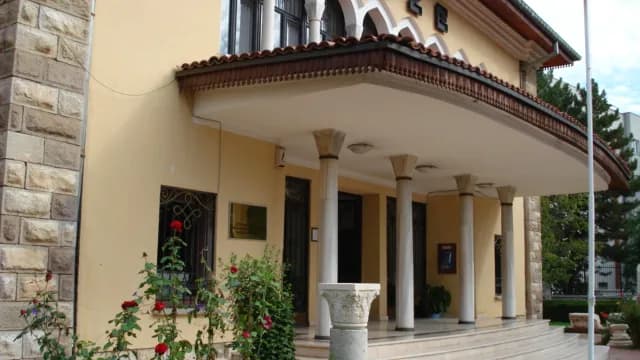
A 4 km gorge carved by snowmelt from the Anamas Mountains, narrowing in places to 1.5–2.5 m wide.
 Machine translated — This content was machine-translated and may differ from the original Turkish text.
Museum
Yalvaç Museum
Yalvaç, Isparta
An archaeology museum displaying sculptures, inscriptions and coins from the Pisidian Antioch excavations.
 Machine translated — This content was machine-translated and may differ from the original Turkish text.
Nature park
Yazılı Canyon Nature Park
Sütçüler, Isparta
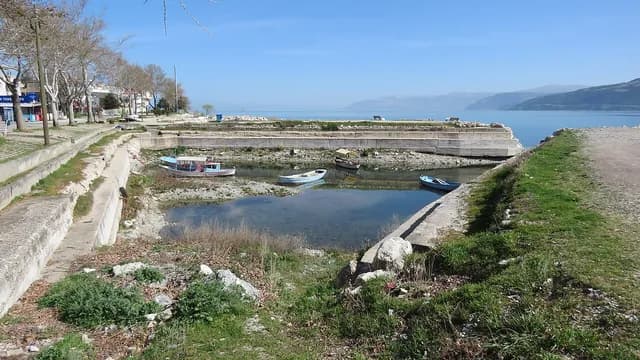
A cool canyon carved by the Köprüçay, known for its rock inscriptions and the historic King's Road.
 Machine translated — This content was machine-translated and may differ from the original Turkish text.
Island
Yeşilada
Eğirdir, Isparta
A small lake island connected to Eğirdir by a road, with stone-based wooden houses and narrow streets.
 Machine translated — This content was machine-translated and may differ from the original Turkish text.
Cave
Zindan Cave and Roman Bridge
Aksu, Isparta
A lit horizontal cave with an underground stream, adorned with stalactites and stalagmites; a Roman bridge at its entrance.
Practical information
Machine translated — This content was machine-translated and may differ from the original Turkish text.- Note
- For current opening hours and fees of museums and archaeological sites, check the Ministry of Culture and Tourism (muze.gov.tr).
- Climate
- A transitional climate between continental and Mediterranean; winters are cold and snowy, summers hot and dry.
- Best time
- Late May–mid-June for the rose harvest; late June–July for lavender; December–March for skiing.
- Getting there
- Isparta Süleyman Demirel Airport (on the Keçiborlu border) and the intercity bus station; about 130 km to Antalya and about 50 km to Burdur.
- Getting around
- The historic core (Kutlubey Mosque, Bedesten, Üzüm Pazarı) can be explored on foot; a private vehicle is recommended for the districts.