37 · City guide
Kastamonu
From the capital of the Candaroğulları to a land of canyons
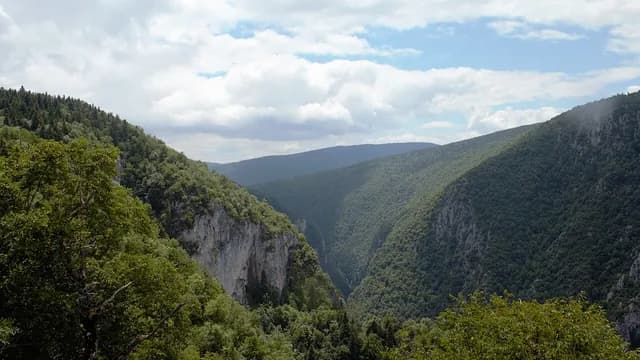
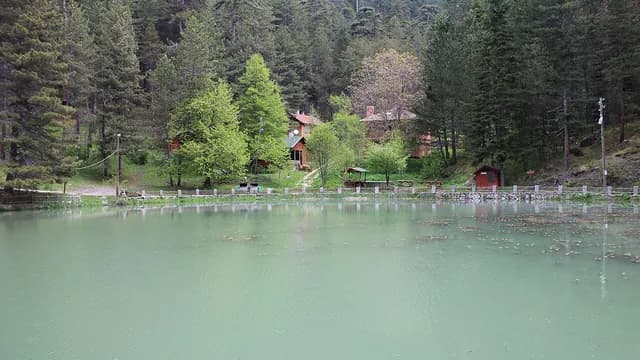
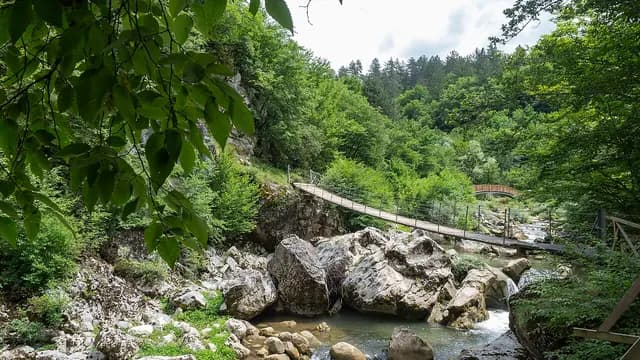
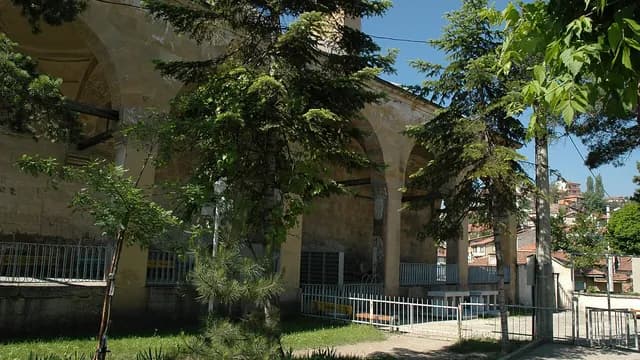
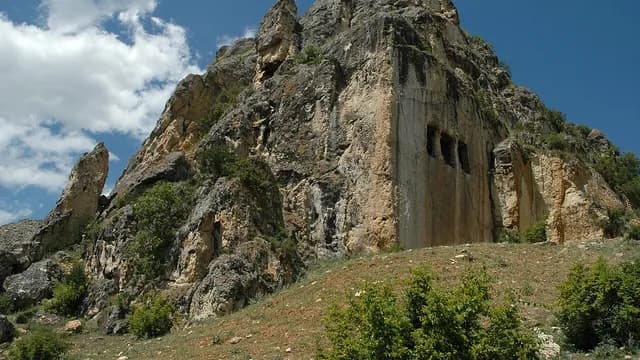
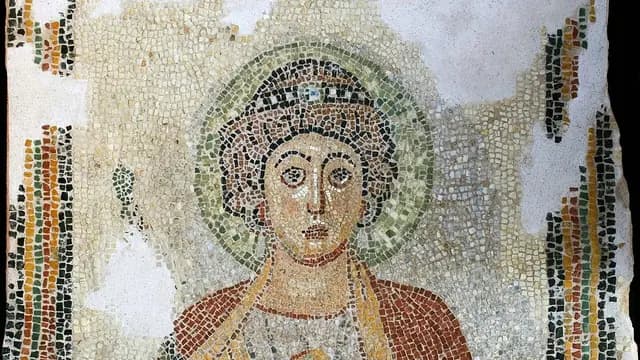
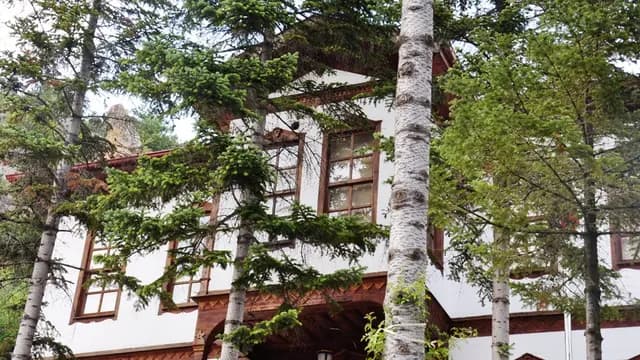
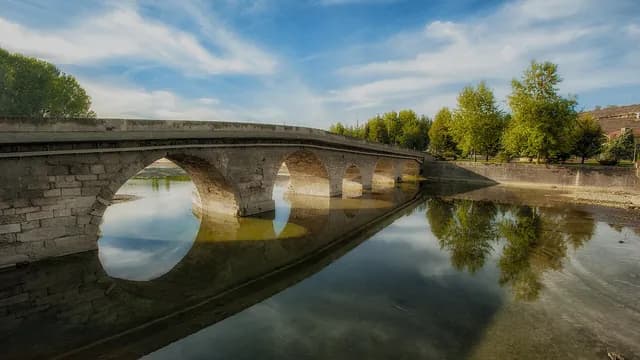
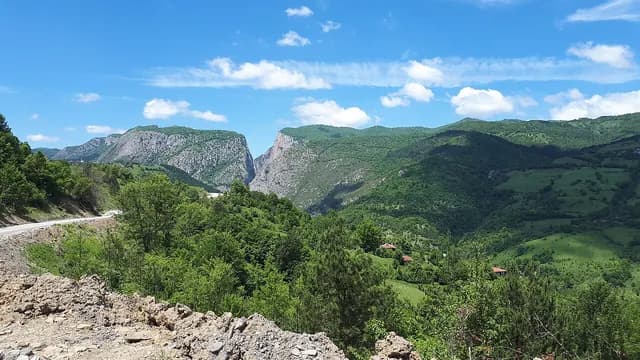
Kastamonu is an old city that takes its name from the Byzantine-era Komnenos Castle and served as the seat of the Çobanoğulları and Candaroğulları beyliks. In the neighborhoods at the foot of the castle, the Atabey Gazi, İbn Neccâr, Nasrullah and İsmail Bey buildings, the Liva Paşa Mansion and the Archaeology Museum tell the city's history. The Mahmut Bey Mosque in Kasaba village, with its wooden ceiling, is a UNESCO World Heritage Site. To the north are the Valla, Horma and Çatak canyons of Küre Mountains National Park, Ilıca Waterfall and Ilgarini Cave; to the south lie the forests and ski resort of Mount Ilgaz. The coves of İnebolu, Cide and Çatalzeytin form the coastline where the İstiklal Yolu (Road of Independence) began.
Machine translated — This content was machine-translated and may differ from the original Turkish text.41
Places
2
Routes
0
Badges
Where shall we explore?









Practical information
Machine translated — This content was machine-translated and may differ from the original Turkish text.- Note
- Canyon trails may close in winter; carry chains on the Ilgaz road in winter
- Climate
- Continental inland, mild and rainy in the coastal districts
- Best time
- May–October; early summer for canyon hikes, December–March for skiing
- Getting there
- Kastamonu Airport; road connection to Ankara via Ilgaz
- Getting around
- The castle, Nasrullah Square and the museums are walkable; a vehicle is needed for the canyons and coastal districts