31 · City guide
Hatay
City of civilizations and flavor
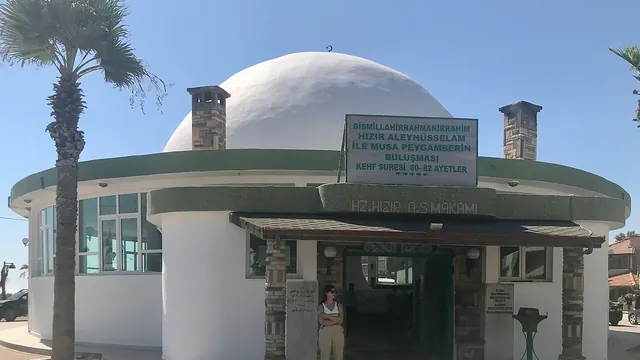
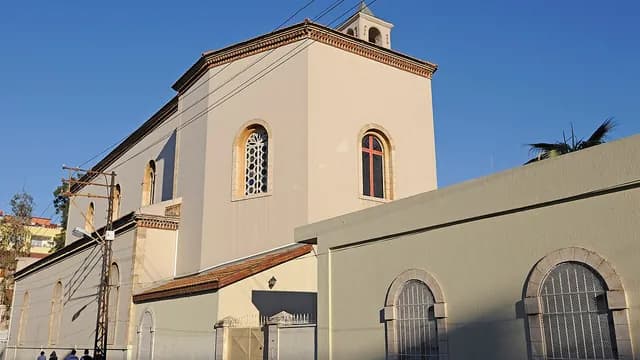
Since Antiokheia, the Seleucid capital, Hatay has been a crossroads where different faiths and cultures have lived side by side. The Church of St. Pierre, a cave church, Habib-i Neccar, Anatolia's first mosque, and museums famous for their mosaics tell of this multilayered past. Titus Tunnel and beaches where sea turtles nest in Samandağ, the Sokullu Complex in Payas, and the Bakras and Darb-ı Sak castles in the Amanos Mountains await travelers. The earthquakes of February 6, 2023 deeply wounded the city: the historic center of Antakya is largely under reconstruction. Some buildings have reopened while others are still under restoration; it is important to confirm the current status before visiting.
Machine translated — This content was machine-translated and may differ from the original Turkish text.58
Places
2
Routes
0
Badges
Where shall we explore?






Practical information
Machine translated — This content was machine-translated and may differ from the original Turkish text.- Safety
- In districts near the Syrian border (Yayladağı, Altınözü, Reyhanlı), comply with military restricted zone warnings.
- Best time
- Spring (March–May) and autumn; summer on the coast is humid and hot.
- Accommodation
- Capacity in central Antakya is limited after the earthquake; İskenderun, Arsuz and Samandağ can be alternatives.
- Getting there
- Hatay Airport (between Antakya and Kırıkhan); by road to İskenderun and Antakya via Adana.
- Earthquake note
- As of 2026, the historic center of Antakya (Uzun Çarşı, Kurtuluş Caddesi, churches, synagogue) is largely a construction/restoration area. Habib-i Neccar Mosque (December 2025) and the Church of St. Pierre have reopened; the Hatay Archaeology Museum is planned to reopen in stages by the end of 2026.