03 · City guide
Afyonkarahisar
Castle, kaymak and the Phrygian Valley
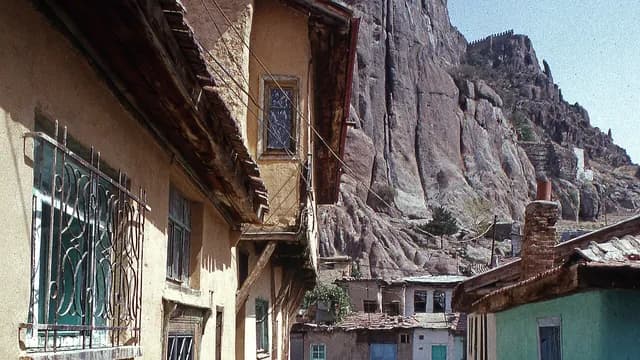
Afyonkarahisar takes its name from the castle atop the black volcanic rock that rises in the middle of the city. At the foot of the castle, the Seljuk-era Ulu Mosque (Grand Mosque) with its wooden columns, the Mevlevihane (Mevlevi lodge) and old houses with bay windows form the historic townscape. To the north, Ayazini, Aslantaş and Aslankaya mark the start of the rock monuments of the Phrygian Valley and the Phrygian Way hiking route; to the south, Kocatepe and the Başkomutan Historical National Park bear the traces of the Great Offensive of August 1922. Thermal springs such as Gazlıgöl, Hüdai and Ömer-Gecek make the province one of Türkiye's leading hot-spring centers. Lakes Eber, Karamık and Acıgöl and Seljuk caravanserais are stops along the Konya road, while kaymak (clotted cream), sucuk and lokum are the symbols of the Afyon table.
Machine translated — This content was machine-translated and may differ from the original Turkish text.54
Places
0
Routes
0
Badges
Where shall we explore?
 Machine translated — This content was machine-translated and may differ from the original Turkish text.
Nature park
26 Ağustos Nature Park
Sinanpaşa, Afyonkarahisar
A 65-hectare nature park with picnic and play areas, whose observation tower overlooks the hills of the Great Offensive.
- Machine translated — This content was machine-translated and may differ from the original Turkish text.
Tomb (türbe)
Tomb of Abdurrahman Sultan
Başmakçı, Afyonkarahisar
The tomb in Başmakçı of Abdurrahman Sultan, said to have been a disciple of Abdülkadir Geylani.
 Machine translated — This content was machine-translated and may differ from the original Turkish text.
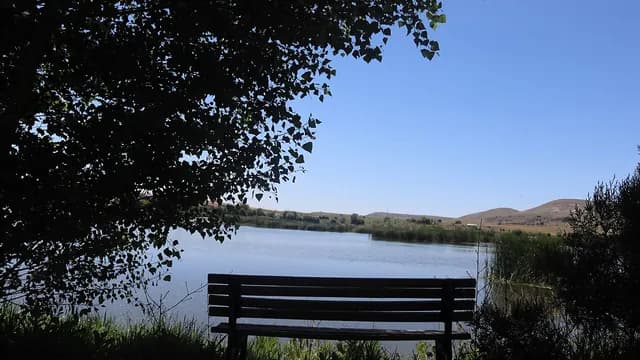
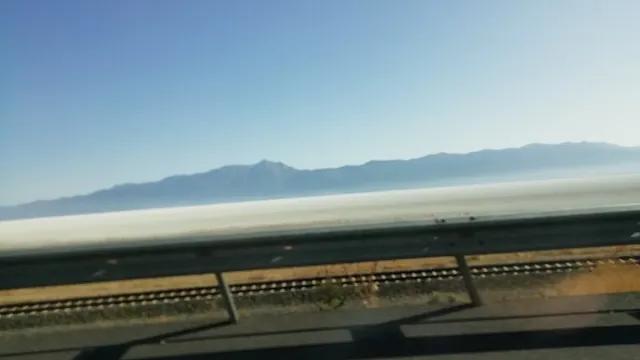
Lake
Acıgöl
Dazkırı, Afyonkarahisar
A shallow, salty tectonic lake in the closed basin where Denizli, Afyonkarahisar and Burdur meet; a protected wetland.
 Machine translated — This content was machine-translated and may differ from the original Turkish text.
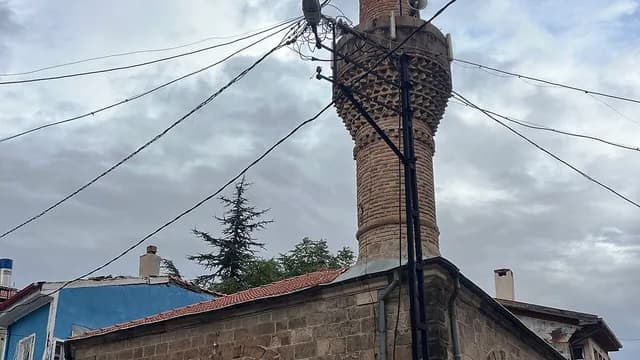
Mosque
Adeyze Mosque
Merkez, Afyonkarahisar
A late Ottoman neighborhood mosque in Hacı Aftal, commissioned by Hacı Mustafa Ağa in 1911.
 Machine translated — This content was machine-translated and may differ from the original Turkish text.
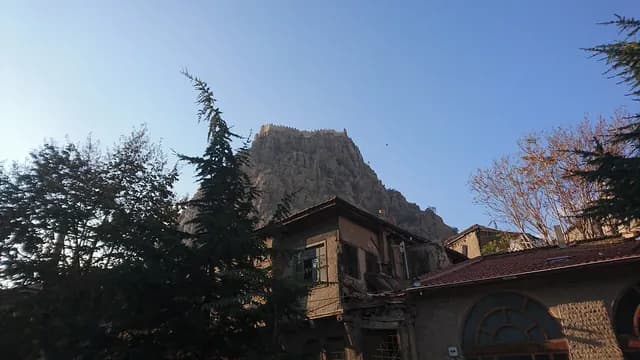
Castle
Afyonkarahisar Castle
Merkez, Afyonkarahisar
The castle on a volcanic rock rising 226 m in the middle of the city; used from the Hittites to the Ottomans, it gave the city its name.
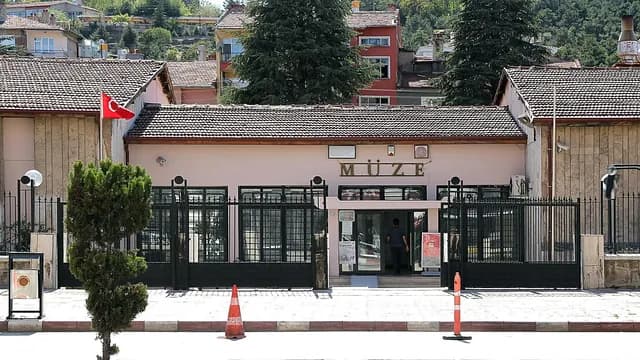 Machine translated — This content was machine-translated and may differ from the original Turkish text.
Museum
Afyonkarahisar Museum
Merkez, Afyonkarahisar
The provincial museum, founded in 1933 and moved to its new building in 2023; rich in works from the Paleolithic to Byzantium and Kusura idols.
 Machine translated — This content was machine-translated and may differ from the original Turkish text.
Mosque
Afyonkarahisar Ulu Mosque (Grand Mosque)
Merkez, Afyonkarahisar
A wooden-columned Seljuk mosque built between 1272 and 1277; UNESCO World Heritage since 2023.
- Machine translated — This content was machine-translated and may differ from the original Turkish text.
Bridge
Altıgöz Bridge
Merkez, Afyonkarahisar
A six-arched Seljuk stone bridge over the Akarçay, given its present form by a restoration in 1237.
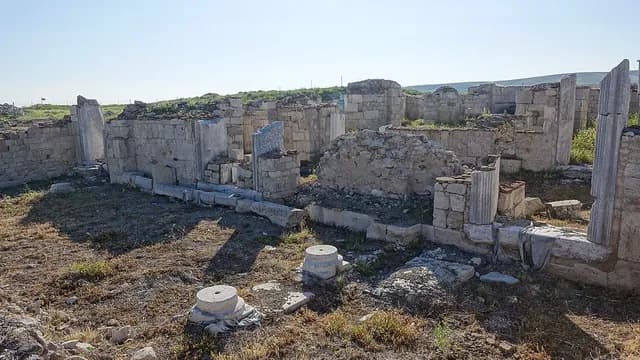 Machine translated — This content was machine-translated and may differ from the original Turkish text.
Ancient city
Amorium Ancient City
Emirdağ, Afyonkarahisar
A Phrygian city that flourished on Byzantium's military road and declined after the Arab sack of 838; excavations continue at Hisarköy.
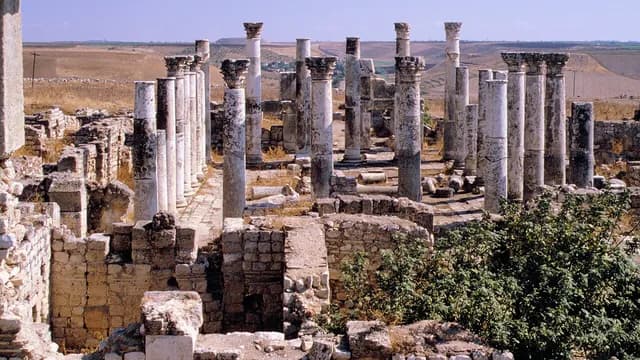 Machine translated — This content was machine-translated and may differ from the original Turkish text.
Ancient city
Apameia Kibotos (Kelainai) Ancient City
Dinar, Afyonkarahisar
Apameia, built over the Persian satrapal center of Kelainai, one of the region's largest cities after Ephesus.
 Machine translated — This content was machine-translated and may differ from the original Turkish text.
History and archaeology
Aslankaya Temple
İhsaniye, Afyonkarahisar
A Phrygian rock façade with a triangular pediment and sphinx and lion reliefs, near Emre Gölü.
 Machine translated — This content was machine-translated and may differ from the original Turkish text.
Rock tomb
Aslantaş and Yılantaş Rock Tombs
İhsaniye, Afyonkarahisar
Phrygian rock tombs comprising Aslantaş, with giant lion reliefs on its façade, and the toppled Yılantaş.
 Machine translated — This content was machine-translated and may differ from the original Turkish text.
Rock tomb
Ayazini Rock Settlement
İhsaniye, Afyonkarahisar
A historic village in the Afyon section of the Phrygian Valley, full of rock-carved houses, churches and burial chambers.
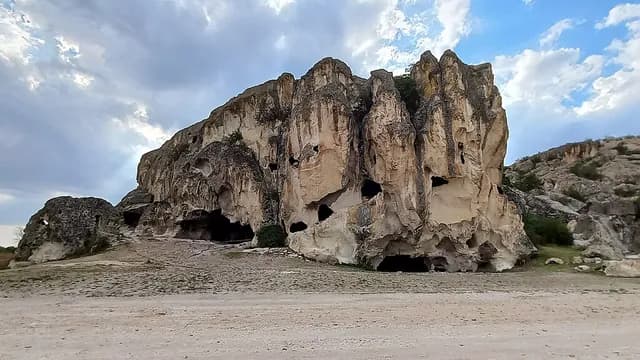 Machine translated — This content was machine-translated and may differ from the original Turkish text.
Church
Ayazini Metropolis Church
İhsaniye, Afyonkarahisar
The symbol of Ayazini: a domed Byzantine church carved into tuff rock.
 Machine translated — This content was machine-translated and may differ from the original Turkish text.
National park
Başkomutan Historical National Park
Sinanpaşa, Afyonkarahisar
A historical national park declared in 1981 to protect the sites of the last great battles of the War of Independence.
- Machine translated — This content was machine-translated and may differ from the original Turkish text.
Museum
Bolvadin Museum (Yanık Kışla)
Bolvadin, Afyonkarahisar
A municipal museum in the historic "Yanık Kışla" building, displaying archaeological and ethnographic items together.
 Machine translated — This content was machine-translated and may differ from the original Turkish text.
Martyrs' memorial and battlefield
Great Offensive Martyrs' Cemetery
Sinanpaşa, Afyonkarahisar
A monumental martyrs' cemetery with symbolic gravestones, built in memory of the 275 officers and 2150 soldiers who fell in the Great Offensive.
 Machine translated — This content was machine-translated and may differ from the original Turkish text.
Monument and statue
Büyük Utku (Victory) Monument
Merkez, Afyonkarahisar
Bronze monument made by Heinrich Krippel in 1934-1936, symbolizing the Great Offensive and the city's liberation.
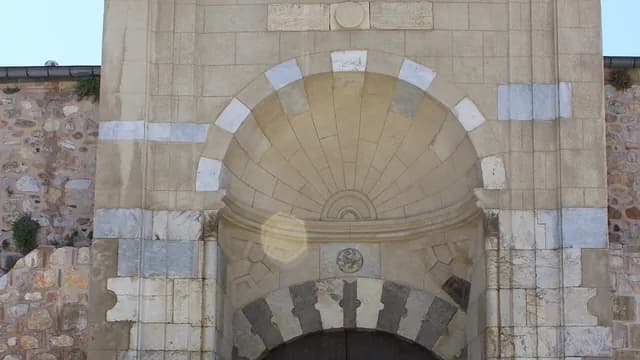 Machine translated — This content was machine-translated and may differ from the original Turkish text.
Han and caravanserai
Çay Han (Taşhan)
Çay, Afyonkarahisar
A Seljuk caravanserai on the Konya road, commissioned in 1278 by the same patron as the Taş Medrese.
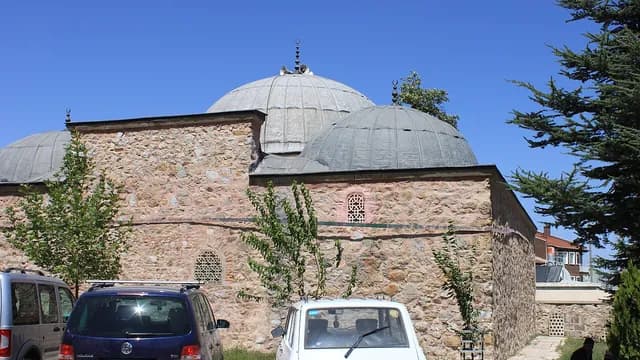 Machine translated — This content was machine-translated and may differ from the original Turkish text.
Madrasa and külliye (complex)
Çay Taş Medrese
Çay, Afyonkarahisar
A domed Seljuk madrasa with tile mosaics, commissioned by Yusuf bin Yakup in 1278-79; used as a mosque today.
- Machine translated — This content was machine-translated and may differ from the original Turkish text.
Martyrs' memorial and battlefield
Çiğiltepe Martyrs' Memorial
Sinanpaşa, Afyonkarahisar
Martyrs' memorial and monument to Colonel Reşat Bey, who took his own life when he could not take Çiğiltepe within the time he had promised during the Great Offensive.
- Machine translated — This content was machine-translated and may differ from the original Turkish text.
Nature park
Dinar Pınarlı Nature Park
Dinar, Afyonkarahisar
A 239-hectare nature park 8 km from Dinar, known for the Pınarlı spring flowing through Turkish red pine and black pine forests.
 Machine translated — This content was machine-translated and may differ from the original Turkish text.
Han and caravanserai
Döğer Caravanserai
İhsaniye, Afyonkarahisar
An Ottoman caravanserai in the town of Döğer at the entrance to the Phrygian Valley.
- Machine translated — This content was machine-translated and may differ from the original Turkish text.
Archaeological site
Dokimeion Ancient City and Marble Quarries
İscehisar, Afyonkarahisar
Ancient quarries and city where the purple-veined "pavonazzetto," one of Rome's most valuable marbles, was extracted.
 Machine translated — This content was machine-translated and may differ from the original Turkish text.
Birdwatching site
Eber Gölü (Lake Eber)
Bolvadin, Afyonkarahisar
One of Türkiye's large lakes; a freshwater lake surrounding the southwest of Bolvadin, known for its reed beds and birdlife.
 Machine translated — This content was machine-translated and may differ from the original Turkish text.
Lake
Emre Gölü (Lake Emre)
İhsaniye, Afyonkarahisar
A small lake near Döğer, ringed by tuff rocks resembling fairy chimneys.
- Machine translated — This content was machine-translated and may differ from the original Turkish text.
Nature park
Erkmen Nature Park
Merkez, Afyonkarahisar
A 51.7-hectare day-use nature park on the hills south of Erkmen, known for its chestnut stands.
 Machine translated — This content was machine-translated and may differ from the original Turkish text.
Nature park
Phrygian Valley Nature Park
İhsaniye, Afyonkarahisar
A nature park in the Akdere area of Bayramaliler village, offering a break on Phrygian Valley tours amid black pine forest and tuff fairy chimneys.
 Machine translated — This content was machine-translated and may differ from the original Turkish text.
Hiking trail
Phrygian Way (Seydiler trailhead)
İscehisar, Afyonkarahisar
A 506 km marked hiking and cycling route starting from Seydiler and linking the Phrygian monuments.
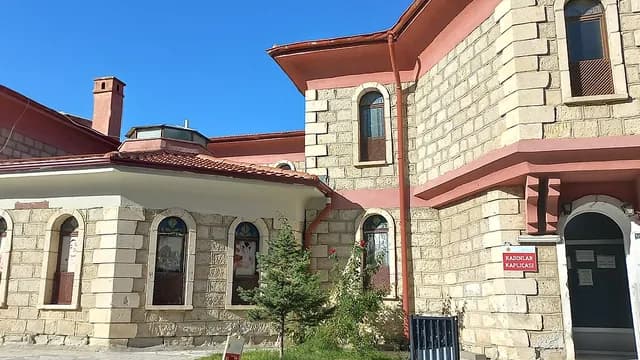 Machine translated — This content was machine-translated and may differ from the original Turkish text.
Hot spring
Gazlıgöl Hot Springs and Mineral Water
İhsaniye, Afyonkarahisar
A thermal town 25 km from the provincial center, known for its baths and Türkiye's oldest mineral water, bottled since 1868.
 Machine translated — This content was machine-translated and may differ from the original Turkish text.
Mosque
Gedik Ahmed Paşa (İmaret) Mosque
Merkez, Afyonkarahisar
The mosque at the center of the large-courtyard complex commissioned by Gedik Ahmed Paşa, vizier of Mehmed the Conqueror.
- Machine translated — This content was machine-translated and may differ from the original Turkish text.
Hammam (Turkish bath)
Gedik Ahmed Paşa (İmaret) Hammam
Merkez, Afyonkarahisar
The 15th-century double hammam of the Gedik Ahmed Paşa Complex, still used for bathing today.
- Machine translated — This content was machine-translated and may differ from the original Turkish text.
Hot spring
Hüdai Hot Springs
Sandıklı, Afyonkarahisar
A thermal spring area in Sandıklı known for its 42-53 °C water and mud baths.
- Machine translated — This content was machine-translated and may differ from the original Turkish text.
Church
İbrahim İnleri Rock Church (Selimiye)
İscehisar, Afyonkarahisar
A three-nave Byzantine rock church with painted reliefs near Selimiye, dating to the 10th-11th century.
- Machine translated — This content was machine-translated and may differ from the original Turkish text.
History and archaeology
Ipsus Battlefield
Merkez, Afyonkarahisar
The ancient Phrygian town where the decisive Battle of Ipsus between the successors of Alexander the Great took place in 301 BC.
 Machine translated — This content was machine-translated and may differ from the original Turkish text.
Han and caravanserai
İshaklı (Sahip Ata) Caravanserai
Sultandağı, Afyonkarahisar
A Seljuk caravanserai on the Afyon-Konya road, commissioned in 1249 by the vizier Sahip Ata Fahreddin Ali.
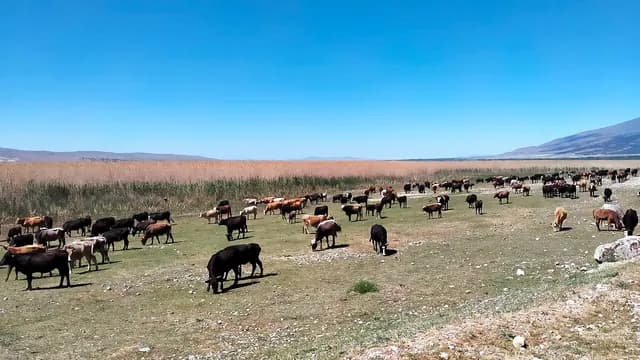 Machine translated — This content was machine-translated and may differ from the original Turkish text.
Lake
Karamık Gölü (Lake Karamık)
Çay, Afyonkarahisar
A shallow, reed-fringed lake at 1001 m elevation that sends its waters underground to Eğirdir Gölü.
 Machine translated — This content was machine-translated and may differ from the original Turkish text.
Bridge
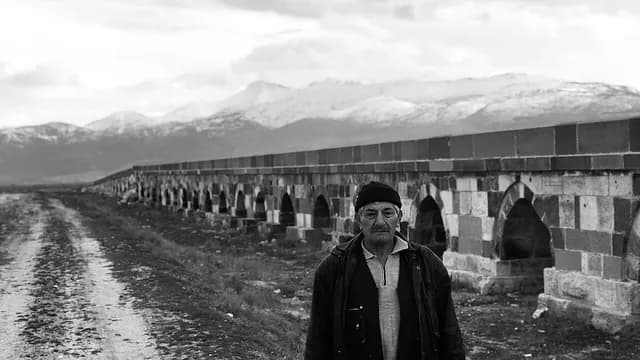
Kırkgöz Bridge
Bolvadin, Afyonkarahisar
A long stone bridge over the Akarçay, built in 1150 by Byzantine Emperor Manuel I, with 57 arches today.
 Machine translated — This content was machine-translated and may differ from the original Turkish text.
Monument and statue
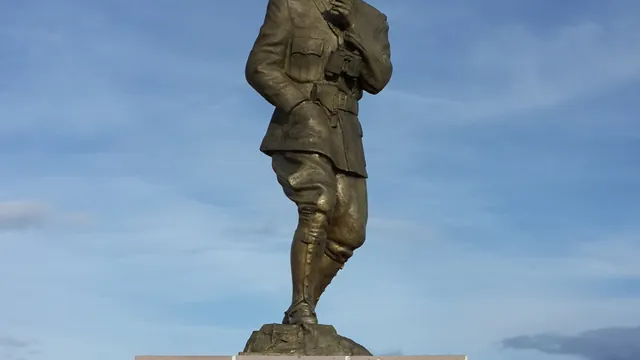
Kocatepe Atatürk Monument
Merkez, Afyonkarahisar
The bronze Atatürk monument on 1874 m Kocatepe, from where the Great Offensive was directed on August 26, 1922.
 Machine translated — This content was machine-translated and may differ from the original Turkish text.
Mound (höyük)
Kusura Mound (Höyük)
Sandıklı, Afyonkarahisar
The mound that gave its name to the schematic "Kusura-type" idols of the Early Bronze Age.
- Machine translated — This content was machine-translated and may differ from the original Turkish text.
Mosque
Sandıklı Ulu Mosque (Grand Mosque)
Sandıklı, Afyonkarahisar
A historic mosque built by the architect Aydemir in 1379, during the Germiyanid period.
- Machine translated — This content was machine-translated and may differ from the original Turkish text.
Reservoir and pond
Selevir Dam Lake
Şuhut, Afyonkarahisar
A dam lake of about 5 km² built on the Kali Çayı near Şuhut in 1960-1964.
- Machine translated — This content was machine-translated and may differ from the original Turkish text.
Reservoir and pond
Seyitler Dam Lake
Merkez, Afyonkarahisar
An irrigation dam lake of about 4.9 km² built on the Seyitler Çayı east of Afyonkarahisar in 1960-1964.
 Machine translated — This content was machine-translated and may differ from the original Turkish text.
River and spring-fed stream (azmak)
Suçıkan Park
Dinar, Afyonkarahisar
A karst spring gushing from the foot of the rocks in Dinar, with a recreation area around it.
 Machine translated — This content was machine-translated and may differ from the original Turkish text.
House museum
Şuhut Atatürk House (Great Offensive Headquarters)
Şuhut, Afyonkarahisar
The historic house Atatürk used as temporary headquarters just before the Great Offensive; a museum since 2004.
- Machine translated — This content was machine-translated and may differ from the original Turkish text.
Mosque
Şuhut Ulu Mosque (Grand Mosque)
Şuhut, Afyonkarahisar
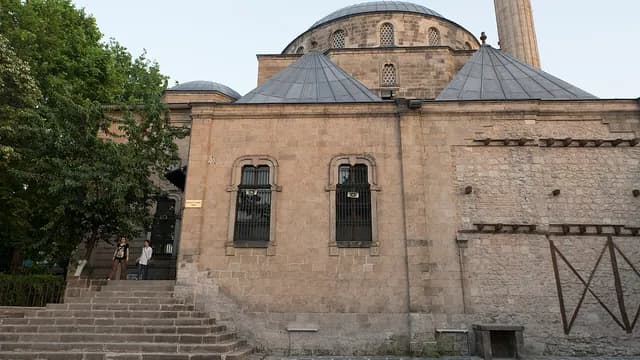
A historic mosque commissioned by Sarı Demirtaş Paşaoğlu Hamza Bey, also known as Çarşı (Bazaar) Mosque.
 Machine translated — This content was machine-translated and may differ from the original Turkish text.
Museum
Sultan Dîvânî Mevlevîhâne Museum
Merkez, Afyonkarahisar
A museum in the dervish lodge founded by Ulu Ârif Çelebi in 1316, which became one of the important centers of the Mevlevi order.
- Machine translated — This content was machine-translated and may differ from the original Turkish text.
Nature park
Sultandağı Nature Park
Sultandağı, Afyonkarahisar
A 97-hectare nature park at the foot of the Sultan Mountains, in the Kurtini area between the Sultandağı district center and Kırca neighborhood.
 Machine translated — This content was machine-translated and may differ from the original Turkish text.
Archaeological site
Synnada Ancient City
Şuhut, Afyonkarahisar
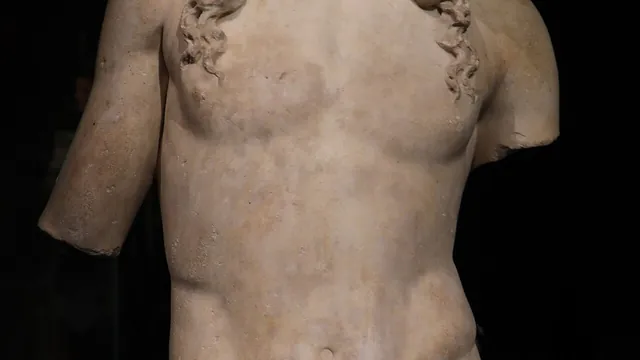
A Phrygia Salutaris city beneath today's Şuhut, famed for trading Dokimeion marble.
 Machine translated — This content was machine-translated and may differ from the original Turkish text.
Historic mansion
Historic Afyon Houses (Castle Foothills)
Merkez, Afyonkarahisar
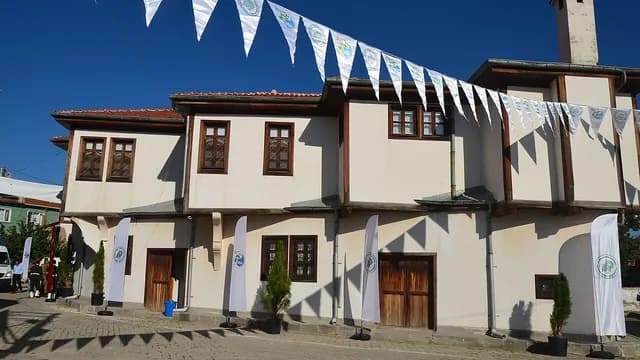
Traditional Afyon houses with bay windows and projecting wooden upper floors, lining the narrow streets at the foot of the castle.
 Machine translated — This content was machine-translated and may differ from the original Turkish text.
Madrasa and külliye (complex)
Taş Medrese (Gedik Ahmed Paşa Madrasa)
Merkez, Afyonkarahisar
An Ottoman madrasa, part of the Gedik Ahmed Paşa Complex, popularly called Taş Medrese (Stone Madrasa).
 Machine translated — This content was machine-translated and may differ from the original Turkish text.
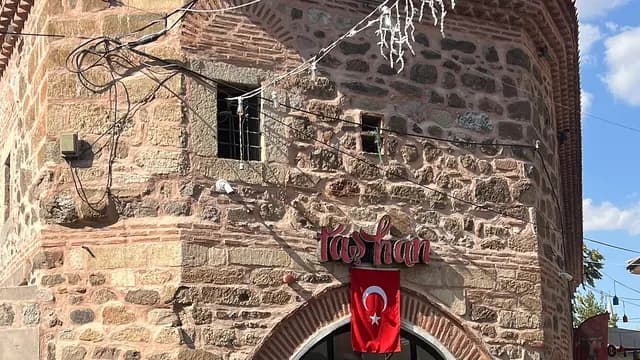
Han and caravanserai
Taşhan (Hoca Üveys Han)
Merkez, Afyonkarahisar
An Ottoman-era stone han in the historic bazaar district of the city center.
- Machine translated — This content was machine-translated and may differ from the original Turkish text.
Nature park
Yedikapı Nature Park (Kemerkaya)
Bolvadin, Afyonkarahisar
A 216-hectare picnic-oriented nature park on the oak-covered slopes by Yedikapı Dam, near Kemerkaya village.
 Machine translated — This content was machine-translated and may differ from the original Turkish text.
Museum
Zafer (Victory) Museum
Merkez, Afyonkarahisar
The building that served as Mustafa Kemal Paşa's headquarters after the Great Offensive, where the plans for the Battle of the Commander-in-Chief were made.
Practical information
Machine translated — This content was machine-translated and may differ from the original Turkish text.- Climate
- Continental; hot, dry summers and cold, snowy winters
- Best season
- April–June and September–October; the thermal springs in any season
- Museum pass
- Müzekart (Museum Pass) is valid at the Afyonkarahisar Museum and Ministry-run archaeological sites
- Getting there
- Zafer Airport (on the Kütahya border, ~55 km from the city); a junction of the Ankara, İzmir, Antalya and Konya roads; rail lines toward İzmir and Konya
- Commemoration day
- A commemoration ceremony for the Great Offensive is held at Kocatepe on the morning of August 26