 Machine translated — This content was machine-translated and may differ from the original Turkish text.
Mound (höyük)
Acemhöyük
Merkez, Aksaray
A large mound in Yeşilova, one of the important centers of the Assyrian Trade Colonies Period, where two palaces have been uncovered.
- Machine translated — This content was machine-translated and may differ from the original Turkish text.
Mound (höyük)
Akpınar Mound (Höyük)
Kumlu, Hatay
A mound where the Amik Plain meets the foothills of Kurt Dağı, inhabited from the Chalcolithic Age to the Ottoman period.
 Machine translated — This content was machine-translated and may differ from the original Turkish text.
Mound (höyük)
Alacahöyük Archaeological Site and Museum
Alaca, Çorum
A mound where four layers of civilization have been uncovered, famous for its Sphinx Gate and Early Bronze Age royal tombs; an excavation museum stands at its entrance.
 Machine translated — This content was machine-translated and may differ from the original Turkish text.
Mound (höyük)
Alişar Höyük
Sarıkaya, Yozgat
A city visited by Assyrian merchants, with layers stretching from the Neolithic to the Phrygian period, very probably the Kuššara of Hittite sources.
 Machine translated — This content was machine-translated and may differ from the original Turkish text.
Mound (höyük)
Arslantepe Mound
Battalgazi, Malatya
A large mound toured as an open-air museum, inscribed on the UNESCO World Heritage List in 2021, with settlement layers from the Chalcolithic Age to the Byzantine period.
- Machine translated — This content was machine-translated and may differ from the original Turkish text.
Mound (höyük)
Aşağı Pınar Mound
Merkez, Kırklareli
A Neolithic mound south of Kırklareli bearing traces of one of Europe's earliest farming villages.
 Machine translated — This content was machine-translated and may differ from the original Turkish text.
Mound (höyük)
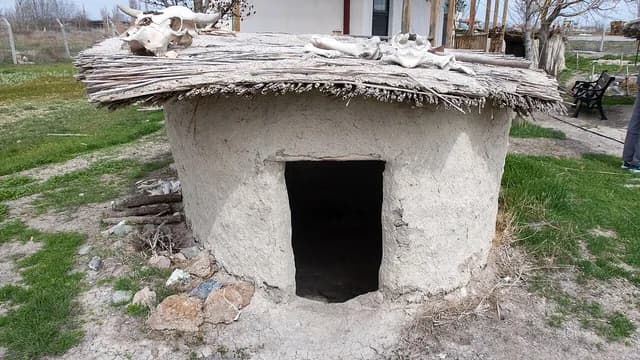
Aşıklı Höyük
Gülağaç, Aksaray
An Aceramic Neolithic village on the banks of the Melendiz, dated to 8200–7500 BC, documenting the transition to settled life; an experimental archaeology site.
 Machine translated — This content was machine-translated and may differ from the original Turkish text.
Mound (höyük)
Boncuklu Höyük
Karatay, Konya
One of the world's oldest village settlements, dated to 8300–7800 BC and considered the forerunner of Çatalhöyük; open-air reconstructed houses.
- Machine translated — This content was machine-translated and may differ from the original Turkish text.
Mound (höyük)
Büyüktepe Höyük
Demirözü, Bayburt
A mound near the village of Çiftetaş, consisting of two hills joined by a neck, with layers from the 4th millennium BC to the Middle Ages.
 Machine translated — This content was machine-translated and may differ from the original Turkish text.
Mound (höyük)
Çadır Höyük
Sorgun, Yozgat
A mound on the Kanak Suyu plain with settlement from 5200 BC to Byzantium, proposed to be the Hittite cult city of Zippalanda.
 Machine translated — This content was machine-translated and may differ from the original Turkish text.
Mound (höyük)
Çatalhöyük Neolithic Town
Çumra, Konya
A Neolithic town where thousands of people lived between 7400 and 6000 BC; a UNESCO World Heritage Site with its wall paintings and houses entered from the roof.
 Machine translated — This content was machine-translated and may differ from the original Turkish text.
Mound (höyük)
Çayönü Tepesi
Ergani, Diyarbakır
A Neolithic settlement about 12,000 years old that continuously documents the transition from hunting and gathering to farming.
- Machine translated — This content was machine-translated and may differ from the original Turkish text.
Mound (höyük)
Çine-Tepecik Mound
Çine, Aydın
A trade-center mound on the Çine Plain, continuously settled from the Late Neolithic to the Late Bronze Age and excavated since 2004.
- Machine translated — This content was machine-translated and may differ from the original Turkish text.
Mound (höyük)
Dedekuyusu (Deştepe) Mound
Efeler, Aydın
Aydın's oldest known settlement; one of the large mounds of the Büyük Menderes Plain, spanning 4500-1200 BC.
 Machine translated — This content was machine-translated and may differ from the original Turkish text.
Mound (höyük)
Derbe (Kerti Höyük)
Merkez, Karaman
Kerti Höyük, accepted as the site of the ancient city of Derbe, visited by Paul on his missionary journeys.
- Machine translated — This content was machine-translated and may differ from the original Turkish text.
Mound (höyük)
Domuztepe Archaeological Site
Düziçi, Osmaniye
A Late Hittite settlement on the east bank of the Ceyhan River, opposite Karatepe; the site where the famous storm god statue was found.
- Machine translated — This content was machine-translated and may differ from the original Turkish text.
Mound (höyük)
Gırnavaz Mound (Höyük)
Nusaybin, Mardin
A mound and place of pilgrimage on the bank of the Çağ Çağ River, inhabited from the 4th millennium BC to the 7th century BC and associated with the jinn in folk belief.
 Machine translated — This content was machine-translated and may differ from the original Turkish text.
Mound (höyük)
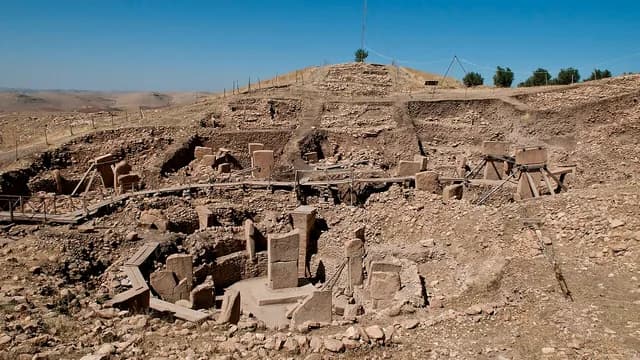
Göbeklitepe
Haliliye, Şanlıurfa
One of the world's oldest monumental structures, dated to around 9600 BC and known for its T-shaped pillars with reliefs; a UNESCO World Heritage Site since 2018.
- Machine translated — This content was machine-translated and may differ from the original Turkish text.
Mound (höyük)
Göksun Mound (Höyük)
Göksun, Kahramanmaraş
A mound on the Göksun plain associated with the ancient settlement of Kokussos.
 Machine translated — This content was machine-translated and may differ from the original Turkish text.
Mound (höyük)
Gözlükule Mound (Höyük)
Tarsus, Mersin
Tarsus's oldest settlement mound, inhabited from the Neolithic Age to the Roman period.
 Machine translated — This content was machine-translated and may differ from the original Turkish text.
Mound (höyük)
Hacılar Höyük (Mound)
Merkez, Burdur
A Neolithic–Chalcolithic settlement of one of Anatolia's earliest farming communities; famous mother goddess figurines.
- Machine translated — This content was machine-translated and may differ from the original Turkish text.
Mound (höyük)
Hoca Çeşme Mound
Enez, Edirne
A mound on a rocky ridge near Enez, home to one of the oldest known Neolithic settlements in Thrace.
 Machine translated — This content was machine-translated and may differ from the original Turkish text.
Mound (höyük)
İkiztepe Mound
Bafra, Samsun
A mound near Bafra that has yielded more than ten thousand artifacts from the pre-Hittite Chalcolithic and Early Bronze Age.
 Machine translated — This content was machine-translated and may differ from the original Turkish text.
Mound (höyük)
Kaman Kalehöyük
Kaman, Kırşehir
A mound 280 meters in diameter east of Kaman, excavated by Japanese archaeologists since 1986, with layers stretching through the Bronze, Iron and Ottoman ages.
- Machine translated — This content was machine-translated and may differ from the original Turkish text.
Mound (höyük)
Kanlıgeçit Mound
Merkez, Kırklareli
A mound west of Aşağı Pınar with a walled Early Bronze Age settlement and megaron buildings.
 Machine translated — This content was machine-translated and may differ from the original Turkish text.
Mound (höyük)
Karahantepe
Haliliye, Şanlıurfa
A Neolithic settlement in the Tek Tek Mountains contemporary with Göbeklitepe, with a ritual structure with a human head carved into the bedrock and hundreds of pillars.
- Machine translated — This content was machine-translated and may differ from the original Turkish text.
Mound (höyük)
Karahöyük (Elbistan)
Elbistan, Kahramanmaraş
A mound going back to the Bronze Age, where a stele with a Hittite hieroglyphic inscription was found.
 Machine translated — This content was machine-translated and may differ from the original Turkish text.
Mound (höyük)
Kilise Tepe Mound (Höyük)
Mut, Mersin
A mound in the Göksu valley known for its layers stretching from the Early Bronze Age to Byzantium.
- Machine translated — This content was machine-translated and may differ from the original Turkish text.
Mound (höyük)
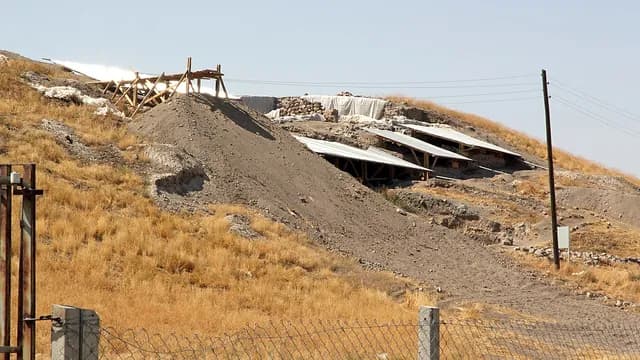
Kinet Höyük (Ancient Issos)
Dörtyol, Hatay
A mound on the shore of the Gulf of İskenderun, identified with the ancient city of Issos, showing continuous settlement from the Bronze Age to the Middle Ages.
 Machine translated — This content was machine-translated and may differ from the original Turkish text.
Mound (höyük)
Kınık Höyük
Altunhisar, Niğde
One of the largest mounds of southern Cappadocia in Altunhisar, 20 meters high with a 24-hectare lower city; associated with the ancient kingdom of Tuwana.
 Machine translated — This content was machine-translated and may differ from the original Turkish text.
Mound (höyük)
Köşk Höyük
Bor, Niğde
A mound at Bahçeli, just east of the Roman Pool, known for its Neolithic and Chalcolithic skull burials with clay-modeled faces.
 Machine translated — This content was machine-translated and may differ from the original Turkish text.
Mound (höyük)
Küllüoba Mound (Höyük)
Seyitgazi, Eskişehir
A key mound of Western Anatolian prehistory with a palace and walls, continuously settled from the Late Chalcolithic to the end of the Early Bronze Age.
 Machine translated — This content was machine-translated and may differ from the original Turkish text.
Mound (höyük)
Kültepe (Kanesh-Karum) Archaeological Site
Kocasinan, Kayseri
The mound and lower city of Kanesh-Karum, the Assyrian trading colony where 23,500 cuneiform tablets, Anatolia's first written documents, were found.
- Machine translated — This content was machine-translated and may differ from the original Turkish text.
Mound (höyük)
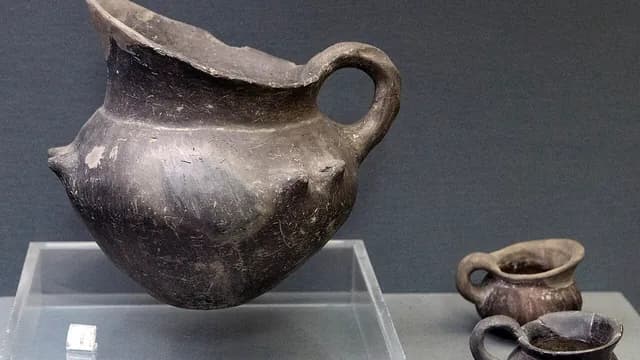
Kuruçay Höyük (Mound)
Merkez, Burdur
A mound south of Burdur Lake with layers from the Neolithic to the Bronze Age.
 Machine translated — This content was machine-translated and may differ from the original Turkish text.
Mound (höyük)
Kusura Mound (Höyük)
Sandıklı, Afyonkarahisar
The mound that gave its name to the schematic "Kusura-type" idols of the Early Bronze Age.
 Machine translated — This content was machine-translated and may differ from the original Turkish text.
Mound (höyük)
Oylum Höyük
Merkez, Kilis
One of the region's largest mounds on the Kilis Plain, with a 460×320-meter base and a height of up to 37 meters; traces of settlement from the Chalcolithic to the Iron Age.
- Machine translated — This content was machine-translated and may differ from the original Turkish text.
Mound (höyük)
Resuloğlu Höyük and Necropolis
Uğurludağ, Çorum
An Early Bronze Age mound and cemetery west of Uğurludağ, where more than 200 graves dated to before the Hittites (mid-3rd millennium BC) have been excavated.
 Machine translated — This content was machine-translated and may differ from the original Turkish text.
Mound (höyük)
Samuha (Kayalıpınar) Hittite City
Yıldızeli, Sivas
The remains of the city of Samuha on the bank of the Kızılırmak, an important Hittite religious center and for a time a military base.
 Machine translated — This content was machine-translated and may differ from the original Turkish text.
Mound (höyük)
Şarhöyük (Dorylaion)
Tepebaşı, Eskişehir
Eskişehir's oldest settlement; the mound of the ancient city of Dorylaion, now within the city.
 Machine translated — This content was machine-translated and may differ from the original Turkish text.
Mound (höyük)
Sirkeli Höyük and Hittite Rock Relief
Ceyhan, Adana
A mound on the banks of the Ceyhan with the oldest known Hittite rock relief in Anatolia, belonging to the Hittite king Muwatalli II.
- Machine translated — This content was machine-translated and may differ from the original Turkish text.
Mound (höyük)
Tavşanlı Mound
Tavşanlı, Kütahya
A large western Anatolian mound that looks heart-shaped from the air, bearing traces of about 8,000 years of settlement.
 Machine translated — This content was machine-translated and may differ from the original Turkish text.
Mound (höyük)
Tayinat Mound (Höyük)
Reyhanlı, Hatay
A Bronze and Iron Age mound at the bend of the Asi River on the Amik Plain; the remains of the Late Hittite city of Kunulua.
- Machine translated — This content was machine-translated and may differ from the original Turkish text.
Mound (höyük)
Tell Dhahab (Altıntepe) Mound
Reyhanlı, Hatay
The 'golden hill' mound near Reyhanlı, settled since the Neolithic Age.
 Machine translated — This content was machine-translated and may differ from the original Turkish text.
Mound (höyük)
Tepebağ Mound (Höyük)
Seyhan, Adana
Adana's oldest settlement, continuously inhabited since the Early Bronze Age.
- Machine translated — This content was machine-translated and may differ from the original Turkish text.
Mound (höyük)
Ters Tepe Mound (Ters Tepe Höyüğü)
Selendi, Manisa
A settlement 1.5 km west-southwest of Selendi spanning the Chalcolithic to the Roman period; at 18 hectares, the largest mound in Manisa.
 Machine translated — This content was machine-translated and may differ from the original Turkish text.
Mound (höyük)
Tilmen Höyük
İslahiye, Gaziantep
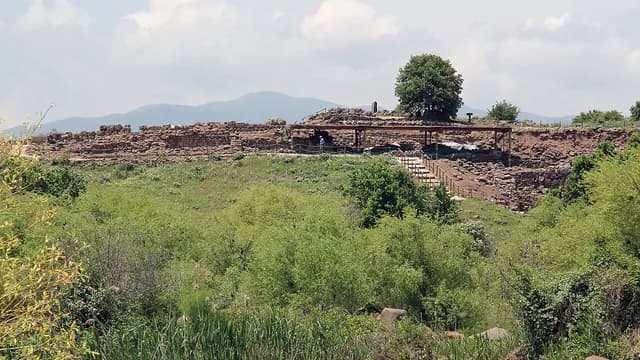
A mound surrounded by branches of the Karasu, whose Middle Bronze Age palace and walls have been repaired and laid out like an open-air archaeological park.
 Machine translated — This content was machine-translated and may differ from the original Turkish text.
Mound (höyük)
Uşaklı Höyük
Sorgun, Yozgat
A mound north of Kerkenes Dağı, a strong candidate for Zippalanda, the cult city of the Storm God, with monumental Hittite buildings.
 Machine translated — This content was machine-translated and may differ from the original Turkish text.
Mound (höyük)
Yeşilova Mound
Bornova, İzmir
İzmir's oldest known settlement; the remains of a Neolithic village dating back about 8500 years.
 Machine translated — This content was machine-translated and may differ from the original Turkish text.
Mound (höyük)
Yumuktepe Mound (Höyük)
Yenişehir, Mersin
A mound that is one of Anatolia's oldest continuous settlements, with layers going back to about 6300 BC.
 Machine translated — This content was machine-translated and may differ from the original Turkish text.
Mound (höyük)
Zincirli Höyük (Sam'al)
İslahiye, Gaziantep
The capital of the Late Hittite and Aramean Kingdom of Sam'al; a large mound with the remains of a palace and citadel surrounded by a double wall.